- Overview
- Trip Outline
- Trip Includes
- Trip Excludes
- Gallery
- Reviews
- Booking
- FAQ
The 7-Day Lemosho Route is one of the most scenic and rewarding routes to climb Mount Kilimanjaro. Starting from the western side of the mountain, Lemosho provides beautiful landscapes, a quieter trail experience, and excellent views of the mountain's volcanic features.
The route begins in the lush rainforest before crossing the spectacular Shira Plateau and joining the southern circuit toward Lava Tower, Barranco Wall, and Barafu Camp. Compared with the 8-day Lemosho itinerary, this option has a faster pace while still maintaining good acclimatization.
The 7-day Lemosho Route is ideal for trekkers looking for a balance between scenery, challenge, and affordability.
Route Highlights
- Duration: 7 Days / 6 Nights
- Difficulty: Moderate to Challenging
- Distance: Approximately 70 km (43 miles)
- Highest Point: Uhuru Peak (5,895 m / 19,341 ft)
- Success Rate: Around 85–90%
- Accommodation: Mountain tents
- Starting Gate: Londorossi Gate (2,100 m)
- Ending Gate: Mweka Gate (1,640 m)
- Best For: Climbers wanting scenic views and strong acclimatization
Distance: 17 km (11 miles)
Hiking Time: 10–15 hours
Altitude: 4,640 m → 5,895 m → 3,100 m
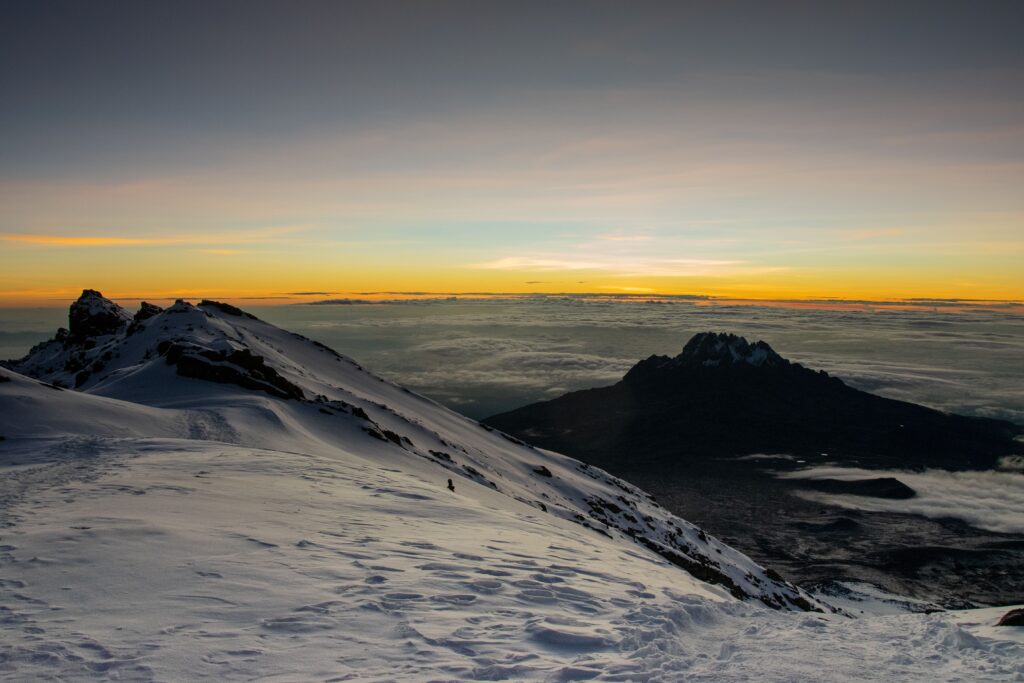
Around midnight, the summit journey begins. The climb continues slowly through volcanic scree toward Stella Point on the crater rim.
From Stella Point, you continue to Uhuru Peak, the highest point in Africa. After celebrating your achievement, you descend through Barafu Camp to Mweka Camp.
Meals: Breakfast, Lunch, Dinner
Accommodation: Mweka Camp
Itineraries
Day 1: Londorossi Gate to Mti Mkubwa Camp
Distance: 6 km (4 miles)
Hiking Time: 3–4 hours
Altitude: 2,100 m to 2,650 m
After breakfast in Moshi, you will drive to Londorossi Gate for registration and park procedures. The adventure begins through the beautiful rainforest zone on Kilimanjaro's western slopes.
The trail winds through ancient forest filled with unique vegetation, birds, and possible wildlife sightings before reaching Mti Mkubwa Camp.
Meals: Lunch, Dinner
Accommodation: Mti Mkubwa Camp
Day 2: Mti Mkubwa Camp to Shira Camp
Distance: 8 km (5 miles)
Hiking Time: 5–7 hours
Altitude: 2,650 m to 3,840 m
Today you leave the rainforest behind and enter the moorland zone. The trail becomes more open as you climb toward the Shira Plateau.
The spectacular views of Kibo Peak begin to appear as you approach Shira Camp, one of the most beautiful camping locations on Kilimanjaro.
Meals: Breakfast, Lunch, Dinner
Accommodation: Shira Camp
Day 3: Shira Camp to Lava Tower to Barranco Camp
Your Plan
Distance: 10 km (6 miles)
Hiking Time: 7–8 hours
Altitude: 3,840 m → 4,630 m → 3,960 m
This is an important acclimatization day. The trail climbs toward Lava Tower at 4,630 meters before descending to Barranco Camp.
The climb high and sleep low method helps your body adjust to altitude and prepares you for the summit.
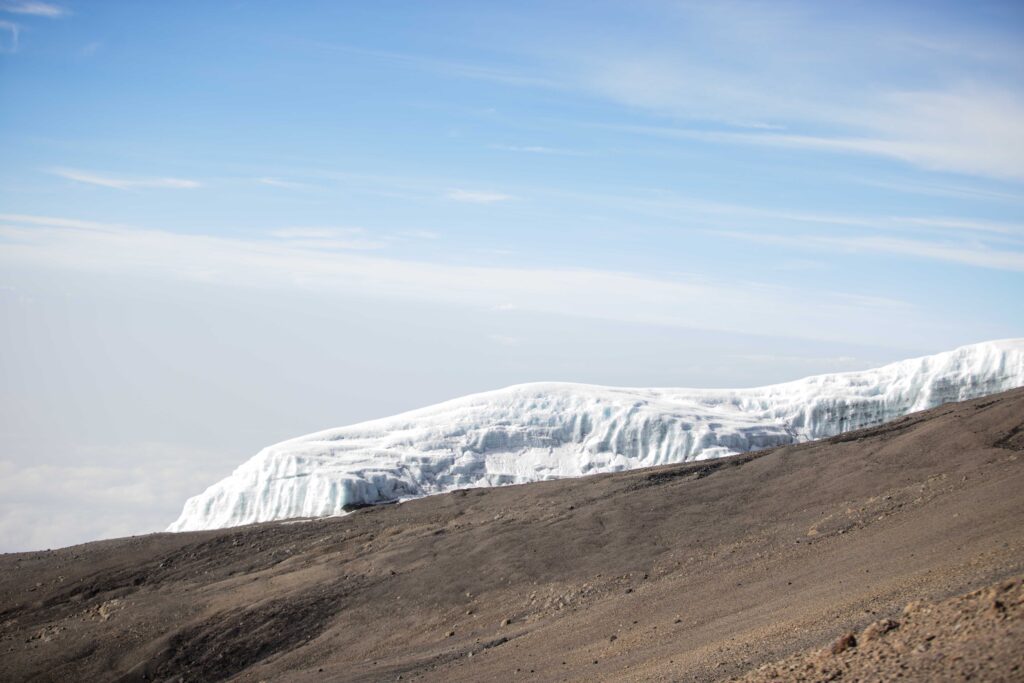
You will enjoy incredible views of Kibo, the Southern Icefields, and the famous Barranco Wall.
Meals: Breakfast, Lunch, Dinner
Accommodation: Barranco Camp
Day 4: Barranco Camp to Karanga Camp
Your Plan
Distance: 5 km (3 miles)
Hiking Time: 4–5 hours
Altitude: 3,960 m to 4,035 m
After breakfast, you begin the exciting climb of the Barranco Wall. This famous section requires no technical climbing but involves some hands-on scrambling.
After reaching the top, the route continues through valleys and ridges with spectacular views before arriving at Karanga Camp.
Meals: Breakfast, Lunch, Dinner
Accommodation: Karanga Camp
Day 5: Karanga Camp to Barafu Camp
Your Plan
Distance: 4 km (2.5 miles)
Hiking Time: 3–4 hours
Altitude: 4,035 m to 4,640 m
The trail gradually ascends through alpine desert landscapes toward Barafu Camp.
After arriving at camp, you will rest, prepare your summit equipment, enjoy dinner, and sleep before the midnight summit attempt.
Meals: Breakfast, Lunch, Dinner
Accommodation: Barafu Camp
Day 6: Barafu Camp to Uhuru Peak to Mweka Camp
Distance: 17 km (11 miles)
Hiking Time: 10–15 hours
Altitude: 4,640 m → 5,895 m → 3,100 m
Around midnight, the summit journey begins. The climb continues slowly through volcanic scree toward Stella Point on the crater rim.
From Stella Point, you continue to Uhuru Peak, the highest point in Africa. After celebrating your achievement, you descend through Barafu Camp to Mweka Camp.
Meals: Breakfast, Lunch, Dinner
Accommodation: Mweka Camp
Day 7: Mweka Camp to Mweka Gate
Your Plan
Distance: 10 km (6 miles)
Hiking Time: 3–4 hours
Altitude: 3,100 m to 1,640 m
The final descent takes you through the rainforest back to Mweka Gate.
After completing park procedures and receiving your summit certificate, you will transfer back to Moshi.
Meals: Breakfast, Lunch
- Airport transfers
- Transport to and from Kilimanjaro National Park gates
- Kilimanjaro National Park fees
- Camping permits
- Rescue fees
- Professional mountain guide
- Assistant guides
- Mountain porters
- Professional cook
- Mountain tents
- Sleeping mattresses
- Dining tent and camping equipment
- Three meals daily during the climb
- Drinking water
- Emergency oxygen
- Pulse oximeter monitoring
- First aid equipment
- Summit certificate
- Government taxes
- International flights
- Tanzania visa
- Travel insurance
- Personal trekking equipment
- Sleeping bag rental
- Personal snacks and drinks
- Tips for guides, porters, and cooks
- Hotel accommodation before or after the climb
- Laundry services
- Personal expenses
Yes. It is suitable for beginners with good fitness because the route provides gradual altitude gain and good acclimatization.
Lemosho starts from the western side, offers fewer crowds at the beginning, and provides wider scenic views before joining the southern circuit.
What is the sum
The 7-day Lemosho Route has a high success rate of around 85–90% depending on preparation and weather conditions.
It is challenging due to the altitude and long summit day, but it does not require technical climbing skills.
Previous hiking experience helps but is not required. Physical preparation is important.
The best climbing seasons are January–March and June–October.
Yes. Solo travelers can join scheduled group climbs or book private departures.
Related Trips
There are no reviews yet.