- Overview
- Trip Outline
- Trip Includes
- Trip Excludes
- Gallery
- Reviews
- FAQ
The 7-Day Machame Route is the most popular way to climb Mount Kilimanjaro and is widely regarded as one of the best routes for reaching Uhuru Peak. Often called the "Whiskey Route," Machame offers spectacular scenery, excellent acclimatization, and a high summit success rate.
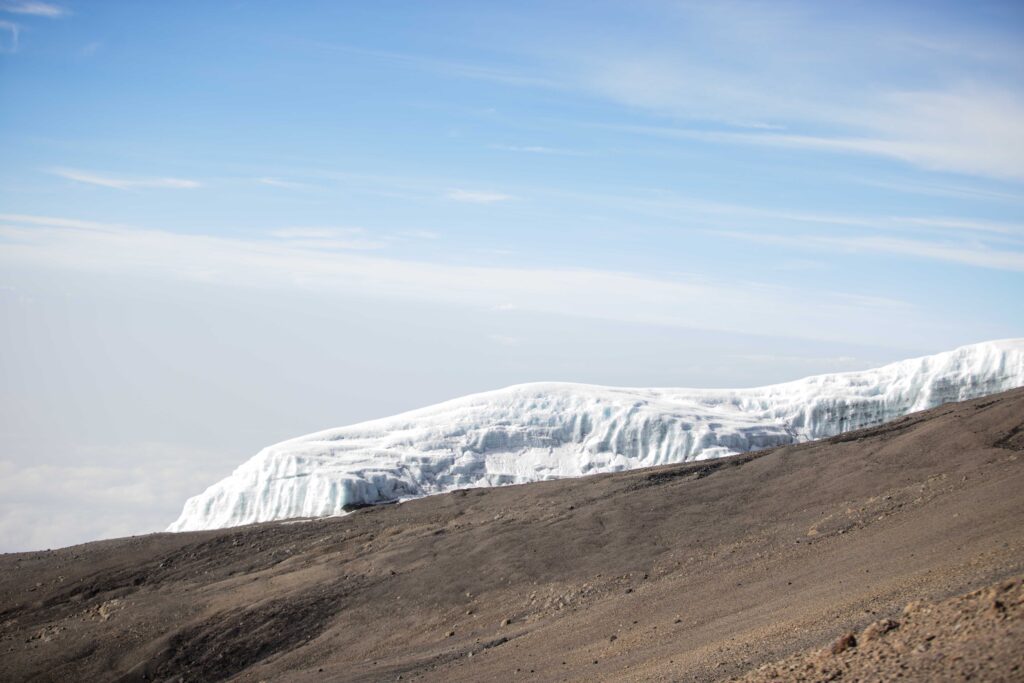
Unlike the Marangu Route, climbers camp in comfortable mountain tents throughout the trek, allowing for a more immersive wilderness experience. The route passes through five distinct climate zones, from lush rainforest to alpine desert and the icy glaciers near the summit.
The extra acclimatization day makes the 7-day itinerary ideal for trekkers seeking a safer ascent with a greater chance of reaching Africa's highest point.
Route Highlights
- Duration: 7 Days / 6 Nights
- Difficulty: Moderate to Challenging
- Distance: Approximately 62 km (39 miles)
- Highest Point: Uhuru Peak (5,895 m / 19,341 ft)
- Success Rate: Around 85–90%
- Accommodation: Mountain tents
- Starting Gate: Machame Gate (1,800 m)
- Ending Gate: Mweka Gate (1,640 m)
No details found.
Itineraries
Day 1 Machame Gate to Machame Camp
7-Day Machame Route Itinerary
After breakfast, you'll drive from Moshi to Machame Gate for registration with the park authorities. The trek begins through lush rainforest filled with towering trees, colorful birds, and playful blue monkeys. The trail gradually ascends to Machame Camp, where you'll enjoy your first dinner and overnight stay on the mountain.
Meals: Lunch, Dinner
Accommodation: Machame Camp
Day 2: Machame Camp to Shira Camp
7-Day Machame Route Itinerary
Distance: 5 km (3 miles)
Hiking Time: 4–6 hours
Altitude: 3,000 m to 3,840 m
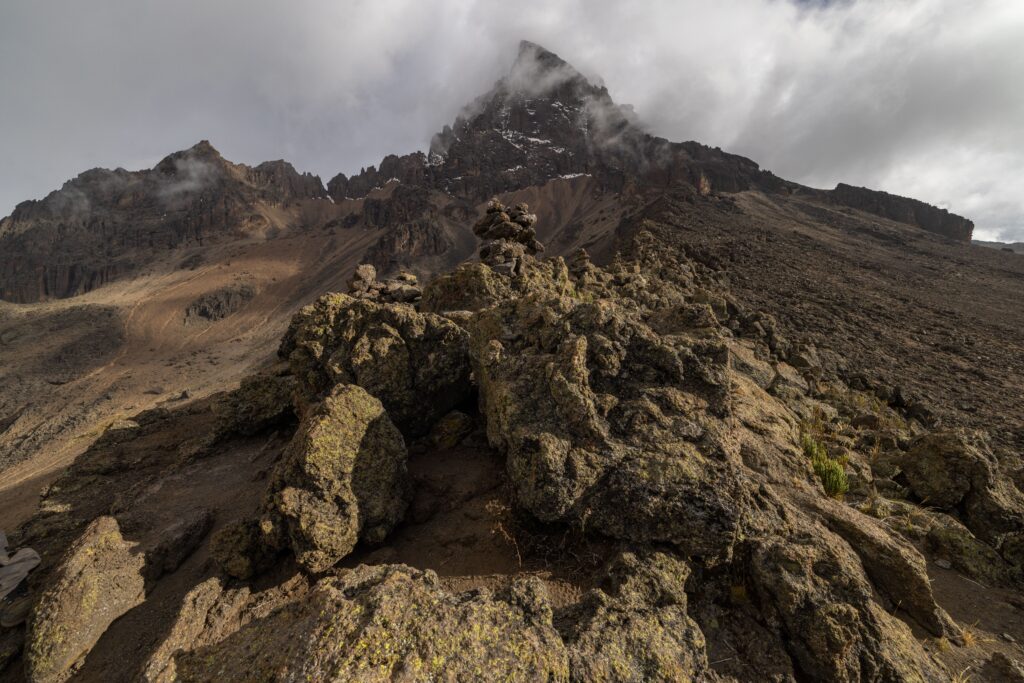
Leaving the rainforest behind, the landscape changes into moorland covered with giant heathers and volcanic rock formations. You'll enjoy breathtaking views of Kibo Peak and Shira Plateau before arriving at Shira Camp.
Meals: Breakfast, Lunch, Dinner
Accommodation: Shira Camp
Day 3: Shira Camp to Lava Tower to Barranco Camp
Distance: 10 km (6 miles)
Hiking Time: 6–8 hours
Altitude: 3,840 m → 4,630 m → 3,960 m
This is the most important acclimatization day. You'll climb to Lava Tower at 4,630 meters before descending to Barranco Camp. The principle of "climb high, sleep low" helps your body adjust to the altitude and significantly improves your chances of reaching the summit.
Meals: Breakfast, Lunch, Dinner
Accommodation: Barranco Camp
Day 4: Barranco Camp to Karanga Camp
Your Plan
Distance: 5 km (3 miles)
Hiking Time: 4–5 hours
Altitude: 3,960 m to 4,035 m
Start the day by climbing the famous Barranco Wall. Although it looks steep, it is mostly a scramble rather than a technical climb. Once at the top, you'll enjoy incredible panoramic views before continuing across valleys and ridges to Karanga Camp.
Meals: Breakfast, Lunch, Dinner
Accommodation: Karanga Camp
Day 5: Karanga Camp to Barafu Camp
Your Plan
Distance: 4 km (2.5 miles)
Hiking Time: 3–4 hours
Altitude: 4,035 m to 4,640 m
Today's trek is relatively short but steep. After arriving at Barafu Camp, you'll have an early dinner and rest before waking around midnight for the summit attempt.
Meals: Breakfast, Lunch, Dinner
Accommodation: Barafu Camp
Day 6: Barafu Camp to Uhuru Peak to Mweka Camp
Your Plan
Distance: 17 km (11 miles)
Hiking Time: 10–15 hours
Altitude: 4,640 m → 5,895 m → 3,100 m
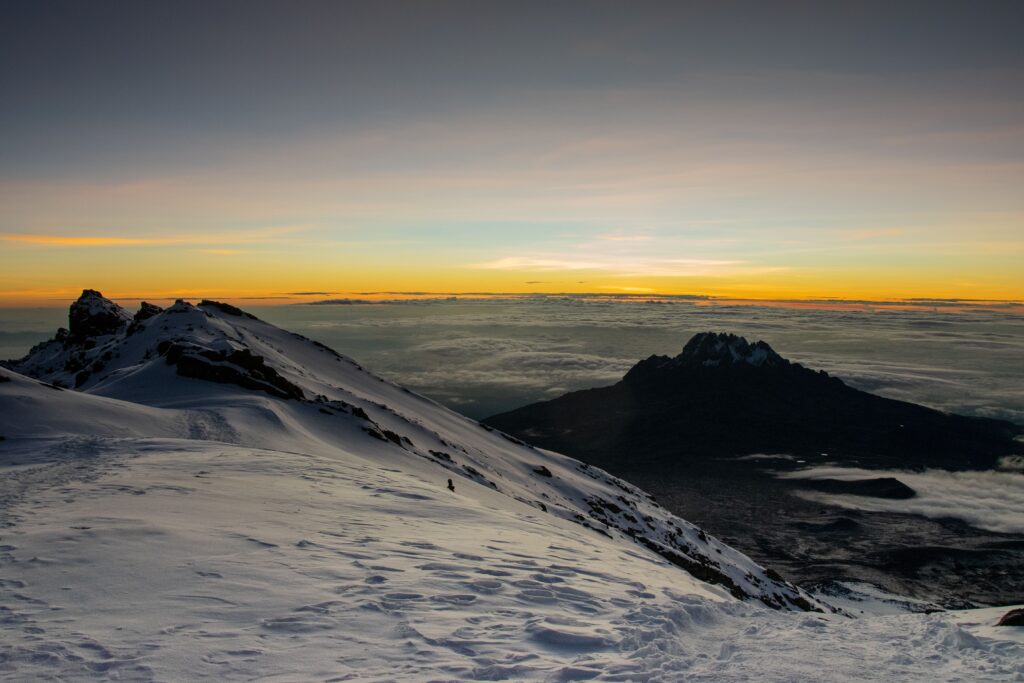
Shortly after midnight, begin the climb under a sky full of stars. You'll reach Stella Point at sunrise before continuing to Uhuru Peak, the highest point in Africa.
After celebrating your achievement and taking photos, descend to Barafu Camp for a short rest before continuing to Mweka Camp for your final night on the mountain.
Meals: Breakfast, Lunch, Dinner
Accommodation: Mweka Camp
Day 7: Mweka Camp to Mweka Gate
Your Plan
Distance: 10 km (6 miles)
Hiking Time: 3–4 hours
Altitude: 3,100 m to 1,640 m
Descend through the rainforest to Mweka Gate, where you'll receive your official Kilimanjaro summit certificate. Your driver will transfer you back to Moshi for a well-deserved hot shower and celebration.
Meals: Breakfast, Lunch
- Airport transfers (arrival and departure)
- Park entry fees
- Camping fees
- Rescue fees
- Professional English-speaking mountain guides
- Assistant guides
- Certified mountain cooks
- Porters
- Quality mountain tents
- Sleeping mattresses
- Three freshly prepared meals daily on the mountain
- Drinking water
- Dining tent and tables
- Portable toilet (private climbs)
- Daily health checks
- Emergency oxygen cylinder
- Pulse oximeter monitoring
- Government taxes
- Summit certificate
- Transfer to and from the trailhead
- International flights
- Tanzanian visa
- Travel insurance
- Personal trekking gear
- Sleeping bag (available for rent)
- Tips for guides, porters, and cook
- Personal snacks and beverages
- Hotel accommodation before or after the climb (unless included in your package)
- Laundry services
- Items of a personal nature
Yes. People with good fitness and adequate preparation can successfully complete the Machame Route. The additional acclimatization day makes it more beginner-friendly than the 6-day option.
The 7-Day Machame Route has one of the highest summit success rates, typically around 85–90%, thanks to its gradual acclimatization profile.
The best months are January to March and June to October, when weather conditions are generally drier and visibility is excellent.
No. Kilimanjaro is a non-technical mountain. No ropes or climbing equipment are required, but good physical fitness is important.
Altitude sickness can affect anyone regardless of fitness. The 7-day itinerary helps reduce the risk through better acclimatization, but it's important to ascend slowly, stay hydrated, and communicate any symptoms to your guides.
Related Trips
There are no reviews yet.